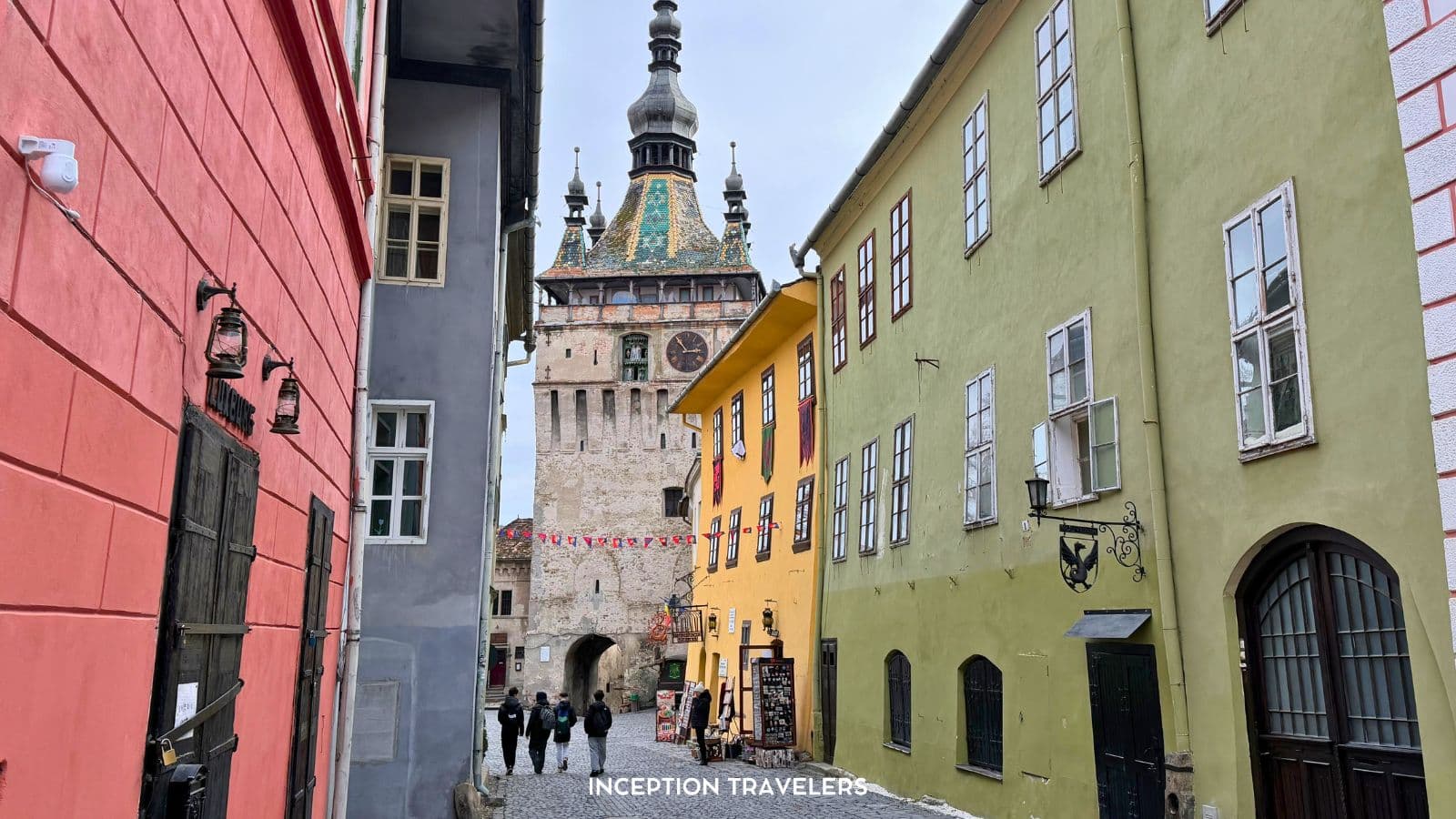
Sighisoara is the only medieval citadel in Europe that people still live in — and in 1431, inside a yellow house on its main square, Vlad Țepeș was born. The man who became Vlad the Impaler, and centuries later lent his name to Dracula.
That is the hook, and it is genuinely true. But Sighișoara earns a visit without the vampire angle: a UNESCO-listed hill town in the middle of Transylvania, painted in ochre and rose, small enough to walk in an afternoon and atmospheric enough that you will want to stay the night.
Here is everything worth knowing before you go — what to see, what it costs, how to get there, and when.
Where is Sighisoara?
Sighișoara sits in Mureș county, in the middle of Transylvania, central Romania. It is a comfortable drive from the region's three main cities, which is what makes it such an easy addition to a road trip:
- Brașov — 2 hours
- Sibiu — 1.5 hours
- Cluj-Napoca — 2.5 hours
The town is small, walkable and built on a hill, crowned by the citadel that gives it its name.
Why Sighisoara is famous
In 1431, Vlad Țepeș — Vlad the Impaler — was born here. He went on to rule Wallachia and to earn a reputation for cruelty so durable that, four centuries later, Bram Stoker borrowed his name for a novel he never set anywhere near this town.
Worth clearing up before you plan around it: Vlad did not live at Bran Castle. The Dracula's Castle branding is marketing, not history. What Sighișoara has is the documented birthplace, which is a rarer thing.
Top things to do in Sighisoara
1. Vlad Dracula's birth house
On Piața Cetății, the citadel's main square, a yellow building is held to be the house where Vlad was born. The ground floor is a restaurant; upstairs is a small medieval weapons exhibition. Entry to the weapons room runs about €4–5, and restaurant mains are €10–18.
Is it rigorously authentic? Not especially — it leans touristy. But standing on the spot is the reason most people come, and it takes ten minutes.
2. The Clock Tower
The symbol of the city, built in the 14th century, and the best thing you will climb here. Inside there is a small history museum and a torture room; at the top, a balcony with the finest panoramic view in town — red roofs, hills, the whole citadel laid out beneath you. Entry is around €3–4.
3. The Covered Scholars' Staircase
Built in 1642 and roofed so that schoolchildren could climb it through Transylvanian winters, this wooden staircase runs 176 steps up to the Church on the Hill and the old German cemetery beside it. The cemetery is the most atmospheric corner of the town, and almost nobody is up there.
4. The citadel walls and guild towers
Sighișoara is one of the last inhabited medieval citadels in Europe — people's homes, not a museum set. Each tower was historically maintained by a different guild, and the names stuck: the Tailors' Tower, the Butchers' Tower, the Tinsmiths' Tower. You can walk the walls for free.
5. The Medieval Festival, if you can time it
Every July the town fills up for a medieval festival — knights, fire shows, costumes, traditional food. It is one of the best events in Romania, and the single best time to see the citadel doing what it was built for.
How to get to Sighisoara
By car — the best option
Driving through Transylvania is half the pleasure. From Brașov it is 2 hours, from Sibiu 1.5, from Cluj 2.5. Parking outside the citadel costs €2–5 per day — you cannot drive into it, and would not want to.
By train
Romanian trains are slow and scenic in roughly equal measure. Brașov takes about 3 hours, Sibiu about 2.5, and tickets run €5–15 depending on class.
By plane
There is no airport in Sighișoara. The nearest are Cluj-Napoca (CLJ), Sibiu (SBZ) and Târgu Mureș, which has limited flights. From any of them you will need a car or a train for the last leg.
Where to stay in Sighisoara
You do not need luxury here — the magic is in sleeping inside the citadel walls. Budget guesthouses run €35–60 a night and boutique medieval hotels €70–120.
Stay over if you possibly can. Sighișoara is a day-trip stop for most coach tours, and the hour after they leave is when the town becomes what you came for: empty cobbles, lit towers, almost no one.
What to eat in Sighisoara
Romanian food is heavy, cheap and very good. Worth ordering:
- Sarmale — cabbage rolls
- Ciorbă — sour soup
- Papanași — fried dough dessert with sour cream and jam
- Fetească Neagră — the local red wine
Expect €10–20 per person for a full meal.
What to see around Sighisoara
Bran Castle — 2 hours away
Marketed relentlessly as Dracula's Castle, on a connection that is weak at best. Go anyway: it is genuinely dramatic, perched on its rock, and worth the detour. Tickets are around €12.
Brașov — 2 hours
One of Romania's most beautiful cities, and the natural base for this corner of Transylvania. Do not miss the Black Church, the Tampa viewpoint, or Rope Street.
Viscri — a UNESCO Saxon village
Restored with help from Prince Charles, and about as authentic as rural Transylvania gets. Fortified church, dirt lanes, horse carts that are transport rather than a photo opportunity.
Best time to visit Sighisoara
Aim for May to June or September to October. Avoid rainy November, and skip the hottest August weekends when the citadel bakes and fills up.
Autumn is the pick if you want the atmosphere the legend promises — fog sitting in the valley, medieval towers coming out of it.

Is Sighisoara worth visiting?
Yes — with the caveat that it is small, and it is not a party town. It is a slow, atmospheric, photogenic and genuinely affordable stop, and half a day covers the sights. What it rewards is lingering: an evening walk, a night inside the walls, breakfast before the tour buses.
If you are drawn to gothic atmosphere, medieval architecture, Dracula legends or the less-trodden corners of Europe, put it on the list. For a full Transylvania itinerary, the classic loop is Sighișoara, Brașov, Bran and Sibiu — the ultimate medieval road trip.
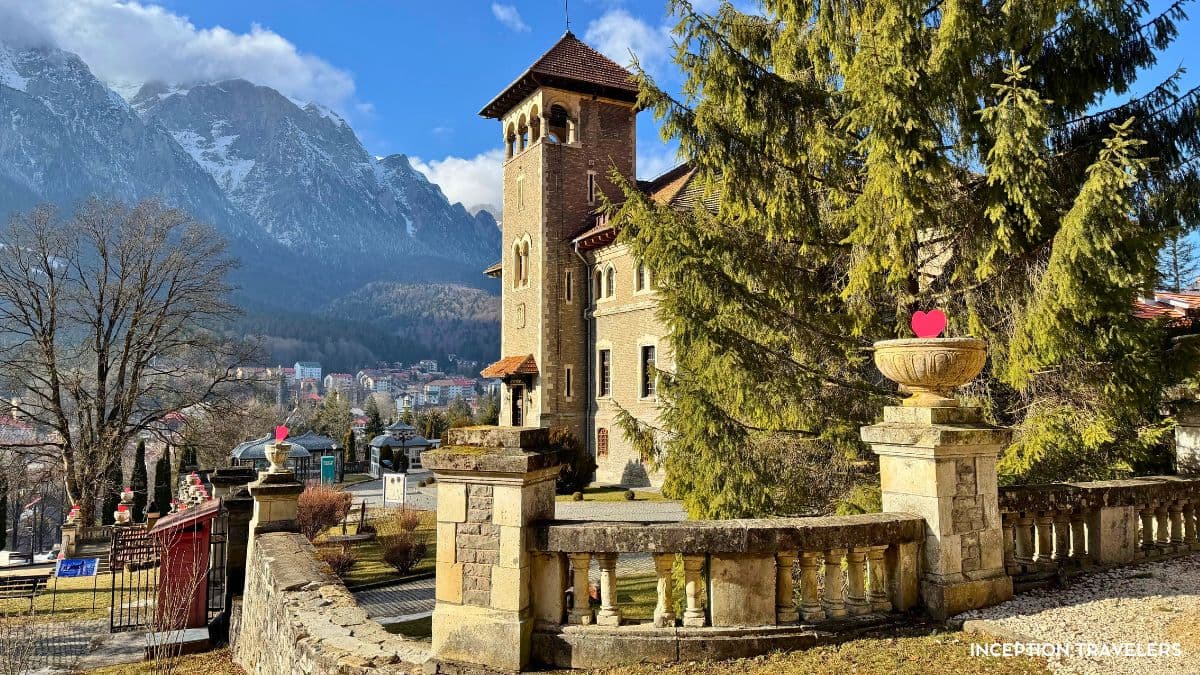
🖤 More gothic Romania: Wednesday's Nevermore Academy in real life — Cantacuzino Castle.